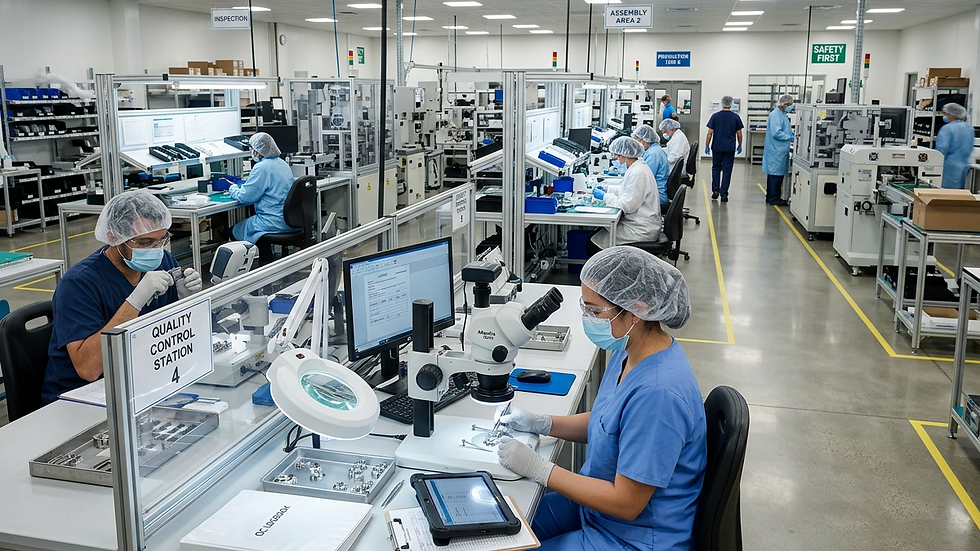
Medical Device Compliance Tips for Ensuring Manufacturing Success
Ensuring that medical devices meet regulatory standards is a critical part of manufacturing. Our team understands the challenges involved in navigating the complex landscape of regulations and quality requirements. We know that staying ahead of these demands is essential not only for patient safety but also for maintaining market access and avoiding costly recalls or penalties.
In this post, I will share practical medical device compliance tips that have helped our team support operations leaders in medical device companies. These insights come from real-world experience and focus on actionable steps you can take to strengthen your manufacturing processes and regulatory readiness.
Key Medical Device Compliance Tips for Manufacturing Operations
When it comes to medical device manufacturing, compliance is not just about meeting regulations. It is about embedding quality and safety into every stage of production. Here are some essential tips that can help your team achieve this:
1. Develop a Robust Quality Management System (QMS)
A strong QMS is the backbone of compliance. It should cover everything from design controls to supplier management and post-market surveillance. Our team has helped companies implement QMS frameworks aligned with FDA’s 21 CFR Part 820 and ISO 13485 standards. This includes:
Documented procedures for every critical process
Regular internal audits to identify gaps
Training programs to keep staff updated on regulatory changes
2. Maintain Thorough Documentation
Accurate and complete documentation is vital. It provides evidence that your processes meet regulatory requirements and that your devices are safe and effective. We advise maintaining:
Design history files (DHF)
Device master records (DMR)
Device history records (DHR)
Our team has worked with manufacturers to digitize these records, improving traceability and reducing errors.
3. Implement Risk Management Practices
Risk management should be integrated into product development and manufacturing. Using ISO 14971 as a guide, our team assists companies in identifying potential hazards, evaluating risks, and implementing controls. This proactive approach helps prevent issues before they arise.
4. Control Supplier Quality
Suppliers play a crucial role in device quality. We recommend establishing clear supplier qualification criteria and conducting regular audits. Our team has supported companies in developing supplier scorecards and corrective action plans to ensure consistent quality.
5. Prepare for Regulatory Inspections
Being inspection-ready at all times reduces stress and risk. We help companies conduct mock FDA inspections and gap analyses. This preparation ensures that your team knows what to expect and can respond confidently.

Is compliance a stressful job?
Managing compliance can indeed feel overwhelming. The regulatory environment is constantly evolving, and the stakes are high. Our team understands the pressure operations leaders face to keep production running smoothly while meeting stringent requirements.
Stress often arises from:
Tight deadlines for product approvals
Complex documentation demands
Unexpected audit findings
To reduce this stress, we recommend:
Breaking down compliance tasks into manageable steps
Using technology to automate document control and reporting
Building a culture of quality where every employee understands their role
We have seen companies transform their compliance approach by fostering open communication and continuous improvement. This not only eases the burden but also drives better outcomes.
Leveraging Technology to Enhance Compliance
Technology can be a game-changer in medical device manufacturing compliance. Our team has helped companies implement software solutions that streamline quality management and regulatory reporting. Some benefits include:
Real-time tracking of production and quality metrics
Automated alerts for deviations or nonconformances
Centralized document repositories accessible to all stakeholders
For example, one client reduced their audit preparation time by 40% after adopting an electronic QMS platform. This allowed their team to focus more on innovation and less on paperwork.

How Our Team Supports Your Compliance Journey
We have partnered with numerous medical device manufacturers to overcome compliance challenges. Here are some ways we have helped:
Conducting gap assessments to identify weaknesses in existing systems
Designing tailored training programs for regulatory updates
Assisting with FDA submissions and global regulatory filings
Providing ongoing support during inspections and audits
Our approach is collaborative and focused on practical solutions that fit your operations. We encourage you to visit our website to learn more about how we can help your team achieve regulatory success and book a meeting with us to discuss your specific needs.
Building a Culture of Continuous Improvement
Compliance is not a one-time effort but an ongoing commitment. Cultivating a culture where quality and regulatory adherence are valued at every level is essential. We recommend:
Encouraging feedback from frontline employees
Regularly reviewing and updating procedures
Celebrating successes and learning from mistakes
By embedding these principles, your manufacturing operations will be more resilient and adaptable to future regulatory changes.
By following these medical device compliance tips, your team can confidently navigate the regulatory landscape and deliver safe, effective products. Our experience shows that with the right systems, mindset, and support, compliance becomes a driver of operational excellence rather than a source of stress. Reach out to us to explore how we can partner with you on this journey.