
Understanding FDA QMSR Compliance Requirements
The landscape of medical device regulation is evolving rapidly. As operations leaders, we must stay ahead of these changes to ensure our companies remain compliant and competitive. One of the most significant updates on the horizon is the new FDA Quality Management System Regulation (QMSR) standards. These standards will reshape how we approach quality management and regulatory compliance.
Understanding these changes is crucial for maintaining product safety, meeting regulatory expectations, and avoiding costly delays or recalls. In this post, I will walk you through the essentials of the new FDA QMSR standards, highlight the key compliance requirements, and share practical insights on how our team has helped medical device companies navigate this transition successfully.
FDA QMSR Compliance Requirements
The FDA QMSR represents a modernization of the existing quality system regulations for medical devices. It aims to align FDA requirements more closely with international standards such as ISO 13485, while also incorporating lessons learned from recent regulatory experiences.
Here are some of the core compliance requirements under the new QMSR:
Risk-Based Approach: The new standards emphasize a risk-based approach to quality management. This means prioritizing processes and controls based on the potential impact on patient safety and product performance.
Enhanced Documentation: Documentation requirements will be more detailed, focusing on traceability and accountability throughout the product lifecycle.
Supplier Controls: There is a stronger focus on supplier management, requiring more rigorous evaluation and monitoring of outsourced processes and components.
Data Integrity and Cybersecurity: With increasing digitalization, the QMSR includes provisions to ensure data integrity and address cybersecurity risks related to medical devices.
Post-Market Surveillance: Companies will need to implement more robust post-market surveillance systems to detect and respond to adverse events or product issues quickly.
Our team has worked closely with several medical device manufacturers to implement these requirements. For example, we helped a mid-sized company redesign their supplier evaluation process to meet the new risk-based criteria. This not only improved compliance but also enhanced their overall supply chain resilience.
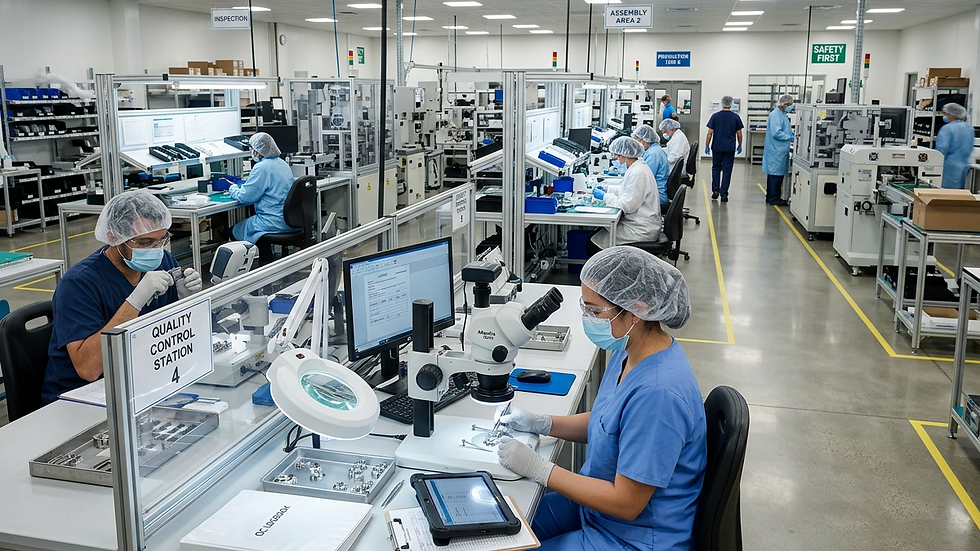
What are the changes in the FDA in 2026?
Starting in 2026, the FDA will fully enforce the updated QMSR standards. This timeline gives companies a window to prepare and adapt their quality systems accordingly. Some of the most notable changes coming into effect include:
Integration with International Standards: The FDA will expect companies to demonstrate alignment with ISO 13485:2016, making it easier for manufacturers to comply globally.
Digital Records and Electronic Signatures: Paper-based records will be largely phased out in favor of electronic documentation with secure signatures, improving data accuracy and accessibility.
Expanded Training Requirements: Personnel training programs will need to be more comprehensive, ensuring that all employees understand their roles in maintaining compliance.
Increased FDA Oversight: The FDA will conduct more frequent and detailed inspections focusing on risk management and supplier controls.
Our team has already begun assisting clients in transitioning to electronic quality management systems (eQMS) that meet these new requirements. One client reported a 30% reduction in audit preparation time after implementing an eQMS solution tailored to the QMSR standards.
Practical Steps to Prepare for FDA QMSR Compliance
Preparing for the new FDA QMSR standards requires a strategic approach. Here are some actionable steps we recommend:
Conduct a Gap Analysis
Review your current quality management system against the new QMSR requirements. Identify areas where your processes, documentation, or controls fall short.
Update Risk Management Processes
Incorporate a risk-based mindset into all quality activities. Prioritize controls and monitoring based on potential patient impact.
Enhance Supplier Management
Develop stricter supplier qualification and monitoring procedures. Ensure contracts clearly define quality expectations and responsibilities.
Implement Electronic Quality Systems
Transition from paper to electronic records to improve data integrity and streamline compliance.
Train Your Team
Invest in comprehensive training programs to ensure everyone understands the new standards and their role in compliance.
Strengthen Post-Market Surveillance
Establish systems to collect, analyze, and respond to post-market data effectively.
Our team has guided numerous companies through these steps. For instance, we helped a client implement a supplier scorecard system that provided real-time visibility into supplier performance, significantly reducing quality issues.

How Our Team Supports Your Compliance Journey
Navigating the complexities of FDA QMSR compliance can be challenging. Our team brings deep expertise in FDA regulations and quality management systems tailored specifically for medical device companies. Here’s how we support your journey:
Customized Compliance Assessments
We perform detailed assessments to pinpoint compliance gaps and develop tailored action plans.
Process Redesign and Documentation
We assist in redesigning quality processes and updating documentation to meet new standards.
Training and Change Management
Our training programs ensure your team is fully prepared for the transition, minimizing disruption.
Technology Integration
We help select and implement electronic quality management systems that align with FDA expectations.
Ongoing Support
Post-implementation, we provide continuous support to maintain compliance and prepare for FDA inspections.
By partnering with us, companies have successfully avoided costly compliance pitfalls and accelerated their readiness for the 2026 enforcement deadline. We encourage you to visit our website to learn more about how we can help or to book a meeting with our experts.
Looking Ahead: Embracing Quality and Compliance
The new FDA QMSR standards represent a significant shift in how medical device companies manage quality and regulatory compliance. While the changes may seem daunting, they also offer an opportunity to strengthen your quality systems, improve product safety, and enhance operational efficiency.
By adopting a proactive approach and leveraging expert guidance, we can ensure our companies not only meet but exceed these new requirements. This commitment to quality will ultimately benefit patients, regulators, and our business success.
If you want to explore how our team can help you navigate these changes and achieve FDA QMSR compliance, please reach out through our website. Together, we can build a stronger, more resilient quality management system for the future.
For those wondering what is the new fda qmsr, it is essential to understand that this update is designed to modernize and harmonize quality management practices across the medical device industry. Our team is ready to help you interpret and implement these standards effectively.


