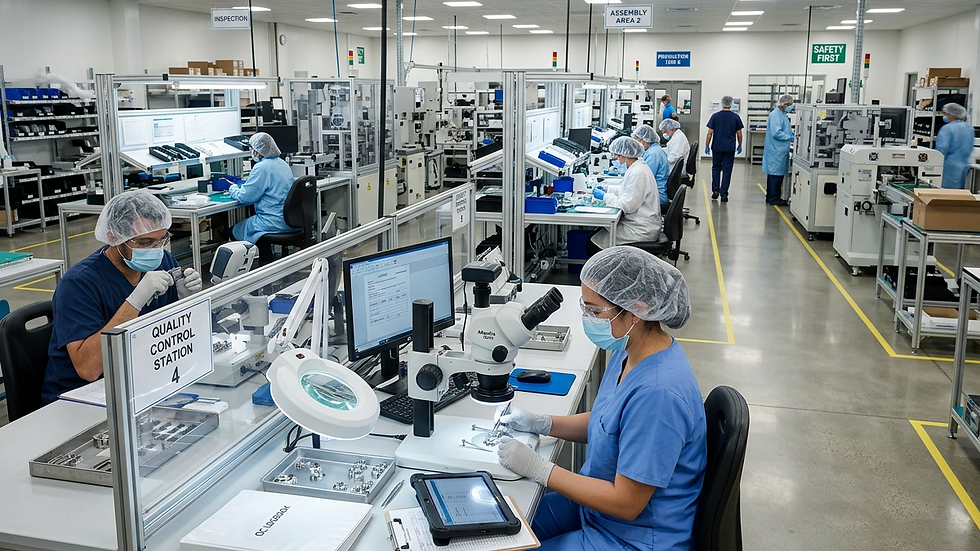
Optimizing with QMS Software for Medical Devices
In the fast-paced world of medical device manufacturing, maintaining quality and compliance is not just a requirement - it is a necessity. Our team understands the challenges faced by operations leaders who must ensure products meet stringent regulatory standards while keeping production efficient. One of the most effective ways to achieve this balance is by optimizing processes with QMS software for medical devices.
Why QMS Software for Medical Devices is Essential
Quality Management System (QMS) software is designed to streamline and automate quality processes. For medical device companies, this means better control over documentation, risk management, and compliance with FDA and global regulations. Our team has seen firsthand how implementing the right QMS software can reduce errors, improve traceability, and accelerate product approvals.
For example, one client struggled with managing CAPA (Corrective and Preventive Actions) manually. After adopting a tailored QMS solution, they reduced CAPA resolution time by 40%. This improvement not only enhanced product quality but also freed up resources to focus on innovation.
Key benefits of QMS software include:
Centralized document control
Automated audit trails
Real-time compliance monitoring
Simplified risk management
Efficient training management
These features help operations leaders maintain oversight without getting bogged down in paperwork.

How Our Team Helps Optimize Medical Device Quality Processes
Our team works closely with medical device companies to tailor QMS software solutions that fit their unique workflows. We start by assessing current processes and identifying bottlenecks or compliance risks. Then, we recommend software configurations that automate repetitive tasks and improve data accuracy.
For instance, a mid-sized manufacturer faced challenges with document version control and audit readiness. We helped them implement a system that automatically tracks document revisions and sends alerts for upcoming audits. This proactive approach eliminated last-minute scrambles and ensured consistent compliance.
We also emphasize training and change management. Introducing new software can be disruptive, so our team provides hands-on support and customized training sessions. This ensures that staff at all levels understand how to use the system effectively, leading to higher adoption rates and better outcomes.
Streamlining Compliance with Medical Device Quality Management System Software
One of the biggest hurdles in medical device manufacturing is staying compliant with evolving regulations. Our team leverages medical device quality management system software to help companies stay ahead of regulatory changes and maintain audit readiness.
This software integrates regulatory requirements directly into workflows, making compliance part of daily operations rather than an afterthought. For example, automated alerts notify quality managers of upcoming FDA inspections or changes in ISO standards. This allows teams to prepare in advance and avoid costly non-compliance penalties.
Additionally, the software supports electronic signatures and secure record-keeping, which are critical for FDA submissions. Our clients have reported smoother audits and faster approvals after adopting these digital tools.

Practical Steps to Maximize QMS Software Benefits
To get the most out of QMS software, our team recommends the following actionable steps:
Map Your Processes: Document current quality workflows to identify inefficiencies and compliance gaps.
Customize Software Features: Tailor the system to match your specific regulatory requirements and operational needs.
Train Your Team: Invest in comprehensive training to ensure everyone understands how to use the software effectively.
Monitor and Improve: Use built-in analytics to track performance and continuously refine processes.
Integrate with Other Systems: Connect QMS software with ERP or manufacturing execution systems for seamless data flow.
By following these steps, operations leaders can transform quality management from a reactive task into a strategic advantage.
Driving Growth Through Quality and Compliance
Optimizing with QMS software for medical devices is not just about meeting regulations - it is about driving business growth. Our team has helped companies reduce product recalls, improve customer satisfaction, and accelerate time-to-market. These improvements translate into stronger market positions and increased revenue.
If you want to learn how we have helped medical device companies overcome quality challenges and achieve regulatory success, visit our website or book a meeting with us. Together, we can develop a tailored strategy that leverages the power of QMS software to optimize your operations and ensure compliance.
By embracing technology and expert guidance, your team can confidently navigate the complex regulatory landscape and deliver safe, effective medical devices to market faster.