Optimizing Compliance with Medical Device QMS Tools
In the fast-paced world of medical device manufacturing, staying compliant with regulatory standards is not just a requirement - it is a critical factor for success. Our team understands the challenges operations leaders face when managing quality systems that must meet FDA and global regulations. One of the most effective ways to optimize compliance is by leveraging medical device QMS tools designed specifically for this industry. These tools help streamline processes, reduce errors, and ensure that quality management systems are both robust and efficient.
Why Medical Device QMS Tools Are Essential for Compliance
Medical device QMS tools are designed to support the complex regulatory environment that governs medical device manufacturing. These tools help organizations maintain control over documentation, risk management, corrective actions, and audits. Without the right tools, companies risk non-compliance, which can lead to costly recalls, fines, or delays in product launches.
Our team has seen firsthand how implementing these tools can transform quality management. For example, one client was struggling with managing CAPA (Corrective and Preventive Actions) across multiple departments. By integrating a medical device QMS tool, they centralized CAPA tracking, improved communication, and reduced resolution times by 40%. This not only improved compliance but also enhanced overall product quality.
Key benefits of medical device QMS tools include:
Automated document control and versioning
Real-time tracking of quality events
Simplified audit preparation and reporting
Enhanced risk management capabilities
Improved cross-functional collaboration

How to Choose the Right Medical Device QMS Tools
Selecting the right QMS tools requires a clear understanding of your company’s specific needs and regulatory requirements. Our team recommends starting with a thorough assessment of your current quality management processes. Identify pain points such as manual data entry, delayed approvals, or inconsistent documentation.
When evaluating tools, consider the following criteria:
Regulatory Compliance Support - Ensure the tool supports FDA 21 CFR Part 820, ISO 13485, and other relevant standards.
User-Friendly Interface - The tool should be intuitive to encourage adoption across teams.
Integration Capabilities - It should integrate seamlessly with existing ERP, CRM, or manufacturing systems.
Scalability - Choose a solution that can grow with your company’s needs.
Reporting and Analytics - Robust reporting features help identify trends and areas for improvement.
For instance, a mid-sized medical device company we worked with needed a scalable solution that could handle both domestic and international regulatory requirements. After implementing a tailored QMS tool, they reduced audit preparation time by 50% and improved supplier quality management.
Streamlining Compliance Processes with Medical Device QMS Tools
One of the biggest challenges in compliance is managing the volume of documentation and ensuring it is accurate and up to date. Medical device QMS tools automate many of these tasks, reducing human error and freeing up valuable time for your team.
Here are practical ways to streamline compliance using QMS tools:
Automate Document Control: Automatically route documents for review and approval, track changes, and maintain audit trails.
Centralize CAPA Management: Track issues from identification through resolution with clear accountability.
Risk Management Integration: Link risk assessments directly to product design and manufacturing processes.
Training Management: Schedule and track employee training to ensure everyone is up to date on procedures.
Audit Management: Plan, execute, and document internal and external audits efficiently.
Our team helped a client automate their training management using QMS software. This ensured all employees completed required training before working on critical processes, significantly reducing compliance risks.
Real-World Examples of Compliance Optimization
We have worked with numerous medical device companies to optimize their compliance through QMS tools. Here are a few examples:
Reducing CAPA Cycle Time: A client was experiencing delays in CAPA closure due to manual tracking. By implementing a QMS tool with automated notifications and task assignments, they cut cycle time by 35%.
Improving Supplier Quality: Another company used QMS software to monitor supplier performance and manage nonconformances. This led to a 20% reduction in supplier-related defects.
Enhancing Audit Readiness: One organization struggled with audit preparation. Our team helped them implement a QMS tool that consolidated all quality records, making audits smoother and less stressful.
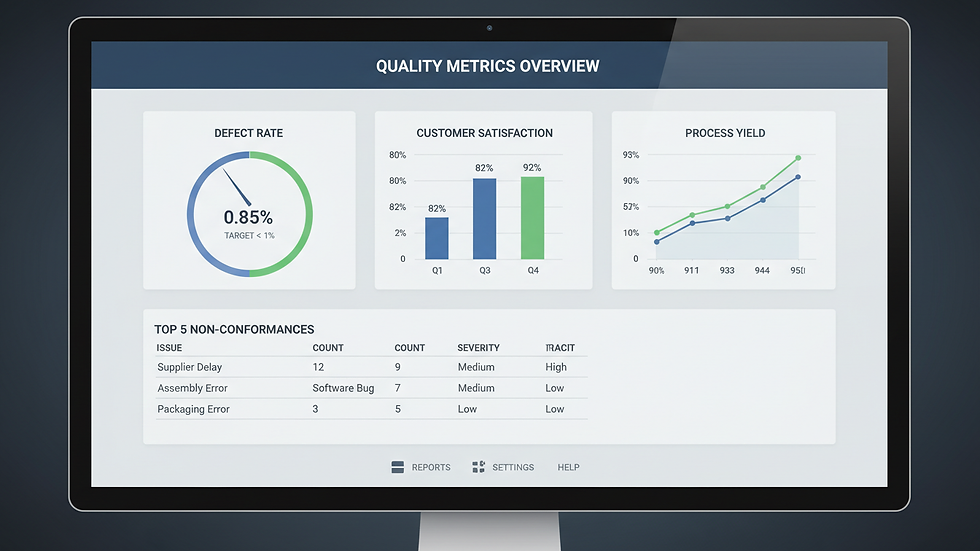
These examples show how medical device QMS tools can directly impact compliance and operational efficiency. We encourage companies to explore how these tools can be tailored to their unique challenges.
Taking the Next Step Toward Compliance Excellence
Optimizing compliance with medical device QMS tools is a strategic investment that pays off in reduced risk, improved product quality, and faster time to market. Our team is ready to help you assess your current quality management system and identify the best tools to meet your regulatory and operational goals.
If you want to learn more about how we have helped medical device companies improve compliance and quality, visit our website or book a meeting with us. Together, we can build a quality management system that supports your success in a highly regulated industry.
For those interested in exploring options, consider starting with medical device quality management system software that fits your company’s size and complexity. This is a critical step toward achieving compliance excellence and operational efficiency.
By focusing on practical solutions and real-world examples, we aim to provide valuable insights that help operations leaders optimize their compliance efforts with medical device QMS tools.